
Nomad Drive Map: How the World Is Generated
Nomad Drive has no fixed map — each save generates a new world. What stays the same: roads, POIs, and biomes. Practical navigation notes for the demo.
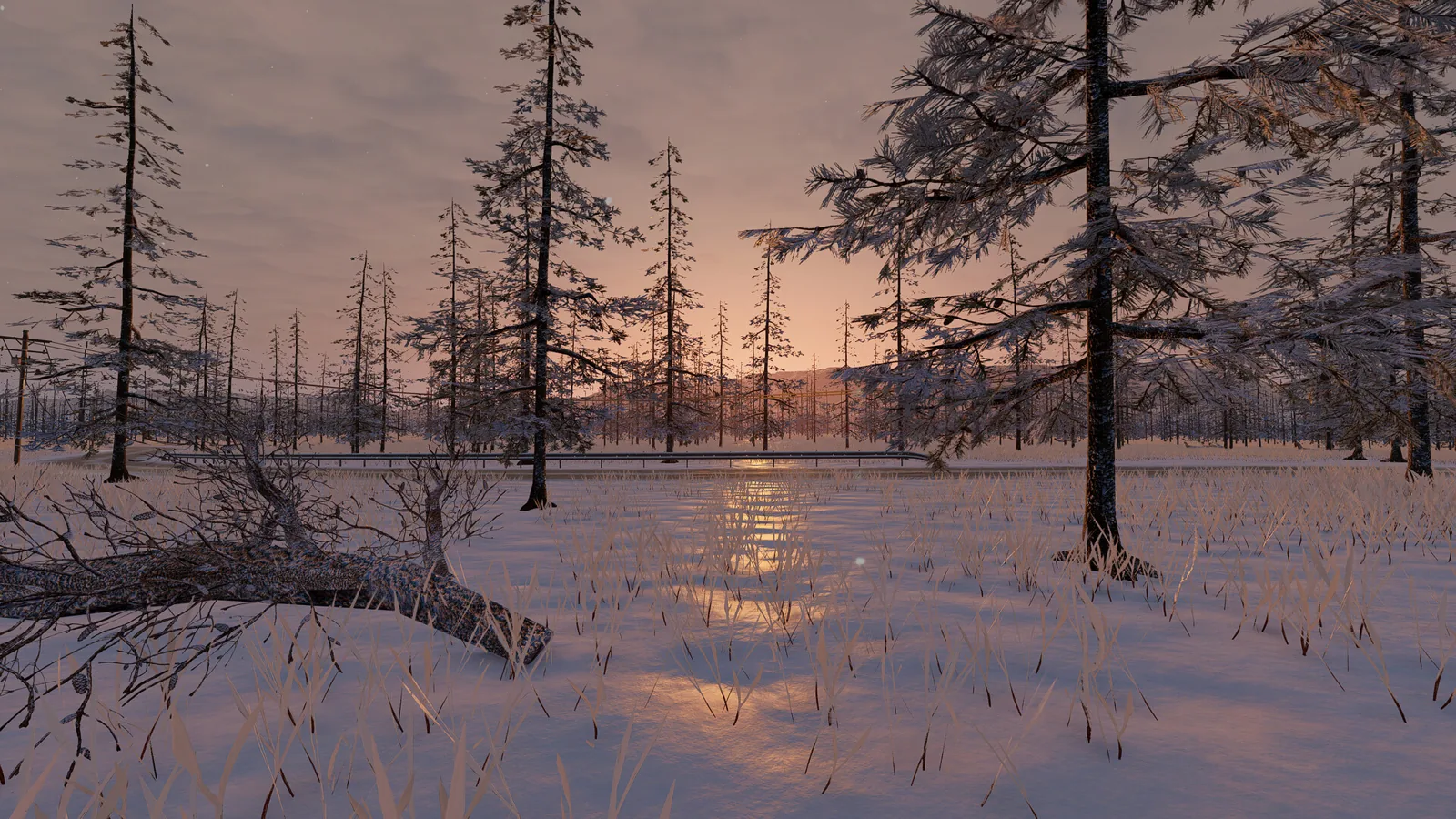
Table of Contents
The short answer: Nomad Drive doesn't have a single map you can memorise or look up. The official Steam page describes a procedurally generated post-apocalyptic world where each new game offers a different starting point and experience, so two saves won't share a layout. What you can plan around is the world's structure — roads, points of interest, biomes, and whatever your RV happens to be carrying.
What "procedurally generated" means in practice
The official Steam page's feature list says each new game gives a different starting point and experience, and that you explore "a continuously shifting world of distinct biomes," each with its own climate and ecosystem. Nothing about that suggests a fixed overworld you can learn by heart: the terrain, the road layout, and where you begin are generated rather than hand-placed.
So if you came here looking for a static map image or a route someone has already driven, that isn't how this game is built. The useful knowledge is the vocabulary of places the generator draws from, not their coordinates.
The kinds of places the world is built from
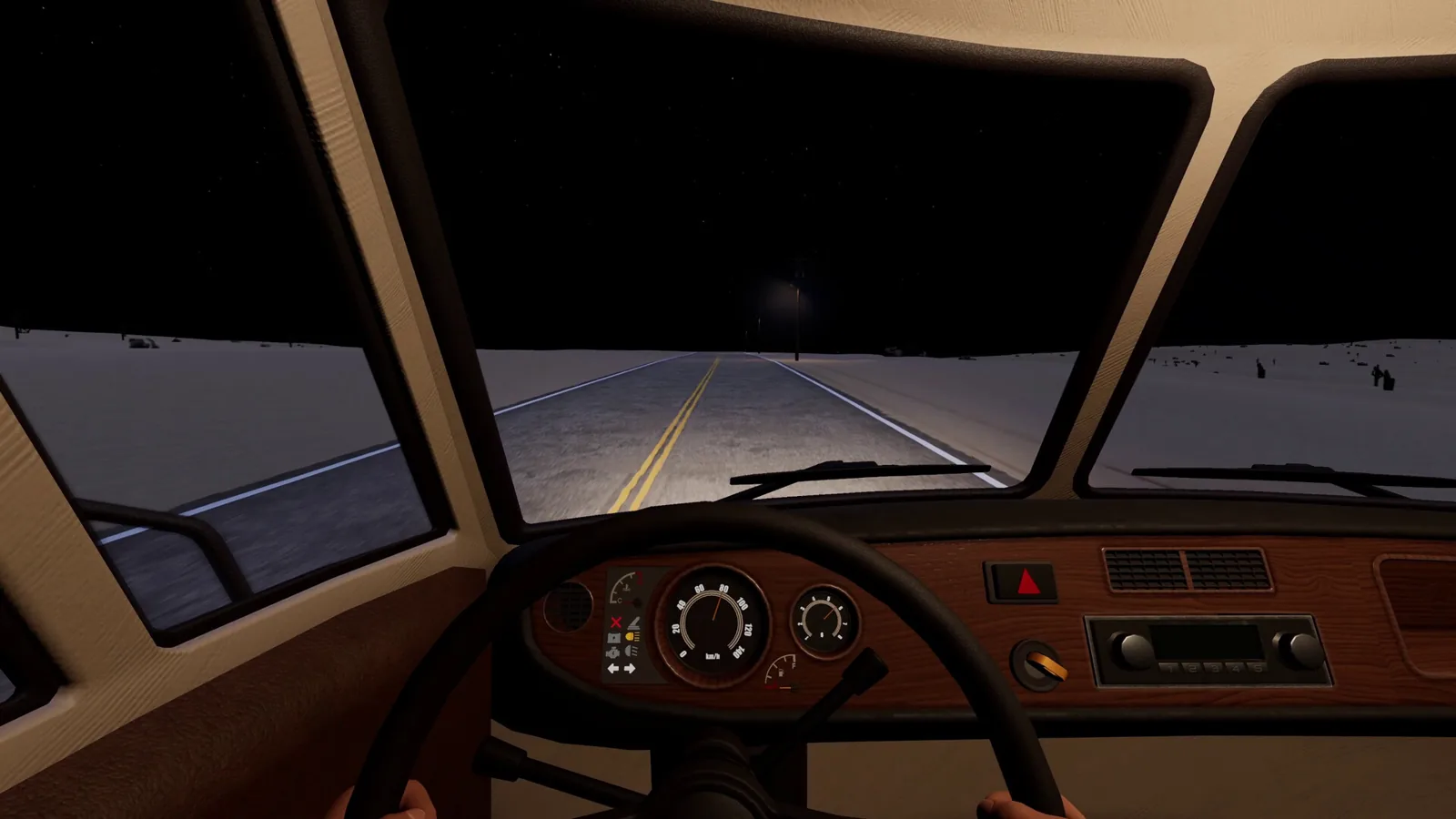
The developers' own patch notes are the best window into what shows up out there. The June 21, 2026 notes refer to a Starter House, a Gas Station, a Radio Station, a Watch Tower and a Factory, and describe fixing loot spawn positions at the Gas Station, Radio Station and Watch Tower plus collision problems at the Starter House and Factory. That gives you a reasonable picture of the location types the world is assembled from, even though their placement changes every run.
A co-op demo playthrough, "OB & I Found a NEW Long Drive Road Trip Game (Nomad Drive)", shows how those pieces read from the road. The pair start at a desert house, build up an RV from scavenged parts, then spot a radio tower in the distance and drive toward it for loot. Later they reach a large multi-storey building they call a "stop" — a big landmark that stands out against the desert and is clearly worth pulling over for.
Other things the players run into along the way:
- Wrecked vehicles. They find a parked car they can strip for a radio, an apple and a key left by the previous owner. There's apparently more than one vehicle type in the world, though the demo players say they'd only seen pictures of the larger RVs.
- Buried treasure. Chests are dug up with a shovel and located with a metal detector, and they're locked — the players spent a while cycling through keys before realising the lock itself has to be clicked.
- Loose loot and supplies. Fuel cans, jerry cans, batteries, tyres, engine repair kits, medicine and food turn up in buildings and crates.
- Hazards. The players took damage from cacti on foot and from eating a mushroom they'd been warned about. Treat both as reported demo behaviour rather than a formal list of what can hurt you.
Getting around without a map screen
As of 2026-10-16, the official Steam page's feature list does not describe an in-game map or minimap, and the demo players above navigate entirely by sight — following the road and steering toward tall structures. Some habits that follow from their run:
- Prefer the road to open desert. The June 21, 2026 patch notes say roads now join smoothly between map tiles, which makes them the most dependable way to stumble onto a new point of interest. In the video, cutting across open sand led to spinning out, a lost tyre and a long, slow limp to the next stop.
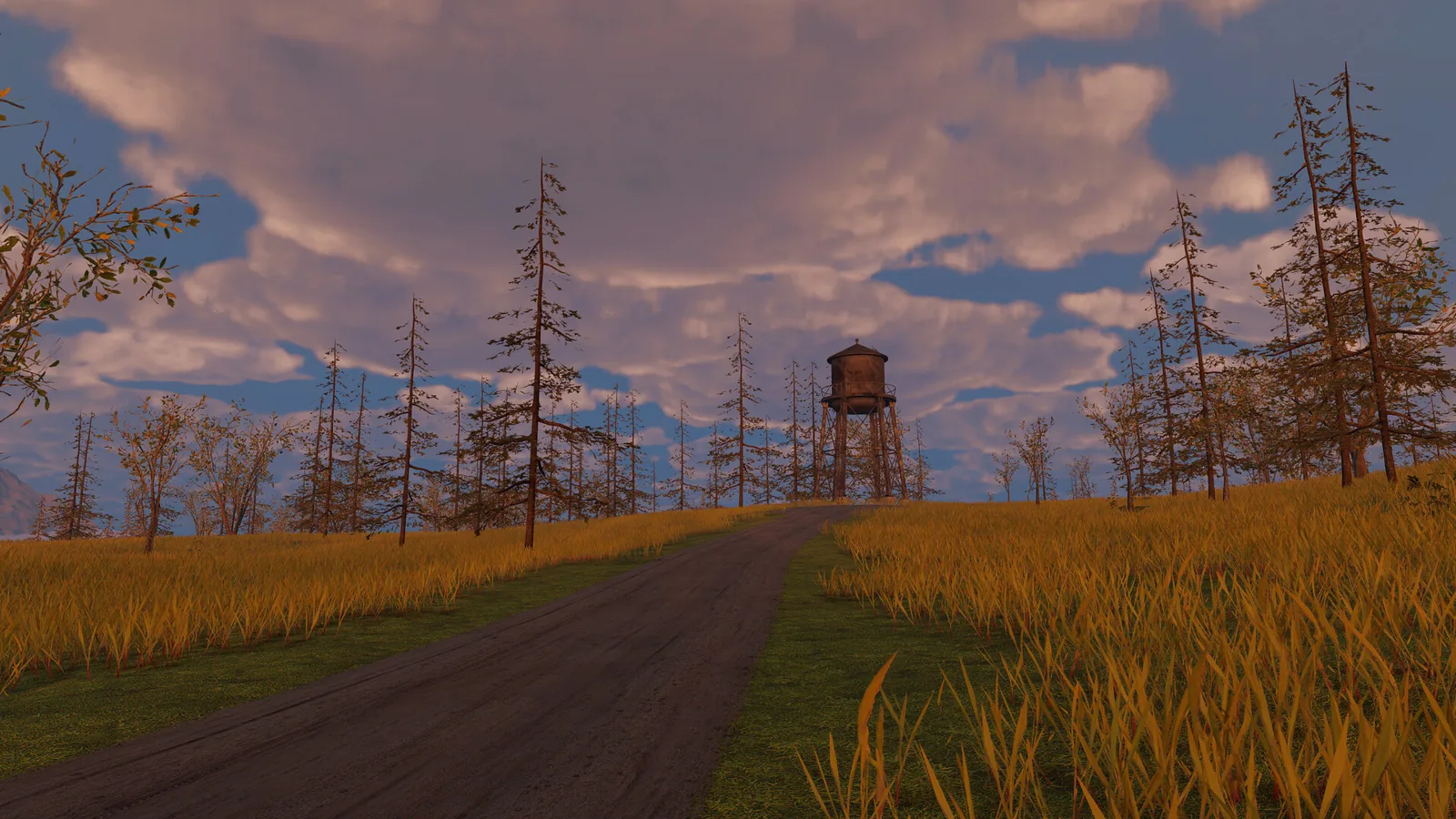
- Use height as a compass. The radio tower is visible from a distance and the players treat it as a target. If you can see something tall, it's usually worth reaching.
- Carry water and food before you commit to a long stretch. In the playthrough the players repeatedly ran their thirst and hunger meters into the danger zone between stops, and medicine was scarce.
- Don't set off without the boring parts. The pair nearly left without a battery and without headlights because they'd rushed the build. Fuel, a spare tyre and a repair kit are cheap insurance when the next stop could be a long way off.
- Bring a shovel and the metal detector together. Finding buried treasure without a way to dig it up doesn't get you very far.
These are conditional suggestions drawn from one reported playthrough, not documented game systems — treat them as habits that reduce frustration rather than rules the game enforces.
Seeds, starting points and versions
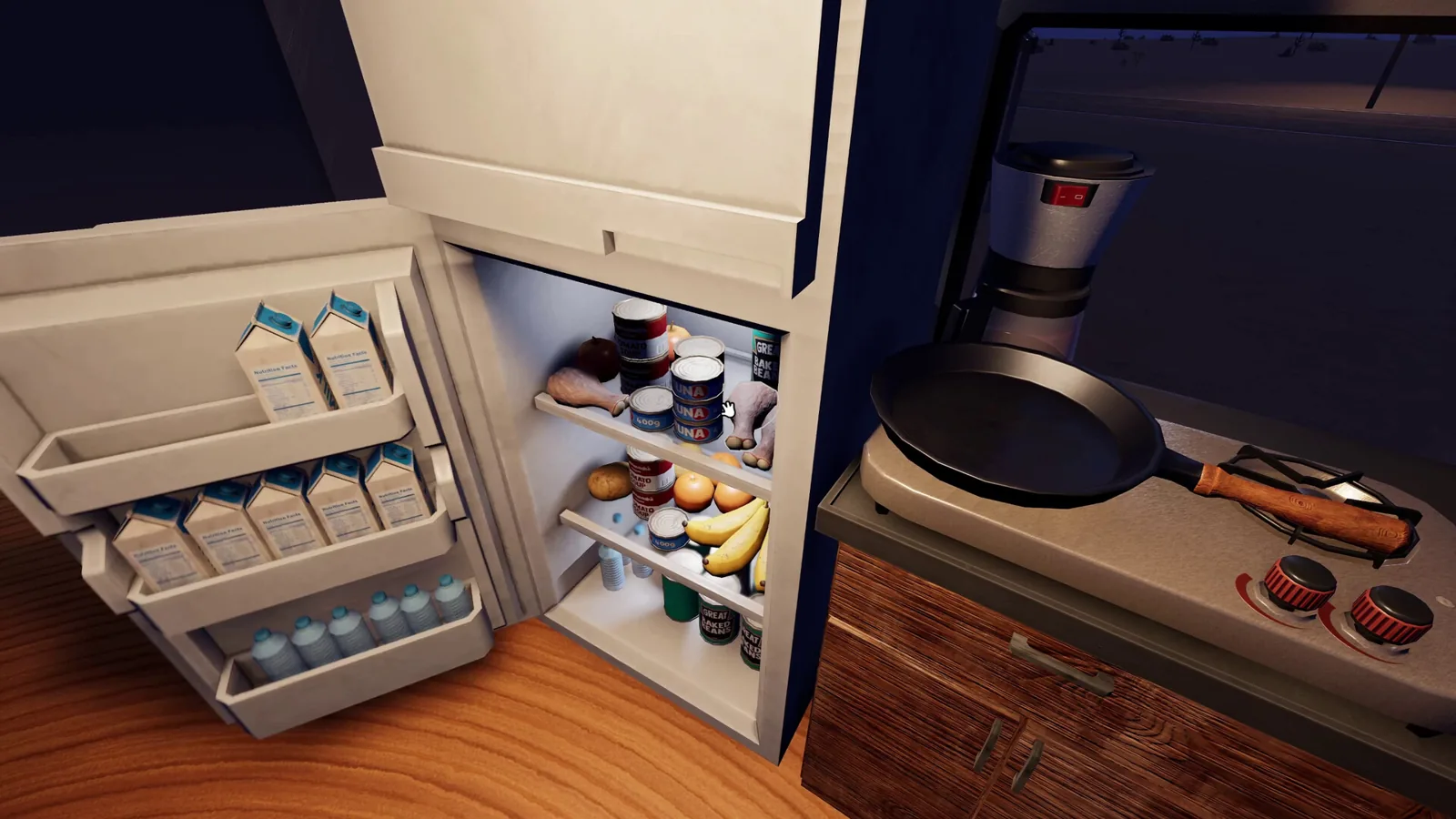
Because the layout is generated per save, the Steam page's description of a different starting point each game means there's no map to copy from another player. As of 2026-10-16, the official Steam page's feature list does not mention entering or sharing a world seed, so a "seed" in the copy-someone-else's-world sense isn't something the page documents.
Version matters for how the world feels. The June 29, 2026 update notes say the developers built on the 1.3 demo and fixed a wide range of problems that appeared when travelling far from your starting area — world, loot, vehicles and dug-up items no longer jittering or drifting out of place — plus smoother roads and long-distance driving fixes. Older demo footage, including the playthrough above, may look rougher than a current build.
The same Steam page, as of 2026-10-16, lists a planned Early Access release date of October 20, 2026, alongside a free demo you can download now. The Early Access notes on that page say the full version is planned to add new, distinct biomes and a wider array of RV customisation parts, and warn that system-heavy updates may require save wipes. Any mental map you build in the demo is therefore a temporary one.
Sources
- Nomad Drive on Steam — developer Indie Devil; feature descriptions, Early Access notes and patch notes.
- OB & I Found a NEW Long Drive Road Trip Game (Nomad Drive) — co-op demo playthrough used for the on-the-ground detail above.
- Steam Community hub for Nomad Drive — announcements and player discussion.
Related pages
Related Articles
Continue Reading
Demo Seeds: Player-Shared Codes
Seed numbers Nomad Drive demo players have shared, including 9234, 441780, 67, 897058 and 321321, and what they reportedly spawn.
RV Seed: Player-Reported Numbers
Community seed numbers reported to spawn an RV or extra vehicles in Nomad Drive — 9234, 441780, 67 and 897058 — and what each player found.
Seeds: Player-Reported Vehicle Codes
Players share Nomad Drive seed numbers that reportedly spawned extra RVs and Kombis, plus what the fan wiki says about seed-based worlds.
Demo Length: How Long the Demo Runs
No fixed demo length has been announced; here's what players report about how long a Nomad Drive demo session runs and how it ends.
How to Get Water in the Demo
Where water comes from in Nomad Drive, how to drink it, stash it in your RV, and use it for the radiator and for watering plants.
how to use radio in the demo
Two demo playthroughs show the radio as a carryable item rather than a working tuner, so here is what players have and have not shown about using it.